Drain Cleaning Services in Fort Collins, CO

Slow drains, complete blockages, and clogs that keep coming back — we clear them with the right tools for the actual problem, not just the cheapest option that temporarily moves the clog further down the pipe.

Why Do Drains Keep Clogging in Fort Collins Homes?

Most drain clogs aren't random. There's almost always an underlying reason — and understanding it is the difference between a drain that's cleared once and stays clear vs. one that comes back every few months.

Grease & Soap Buildup

Kitchen drains accumulate grease, cooking oils, and soap scum that stick to pipe walls and narrow the effective diameter over time. Cold water accelerates this — grease solidifies as it flows down.

Hair & Soap in Bathroom Drains

The combination of hair and soap creates a binding matrix in P-traps and horizontal shower drain lines. Plunging pushes it further but doesn't remove it.

Tree Root Intrusion

Roots enter through joints in cast iron or clay drain lines and grow inside the pipe over years. This is very common in older Fort Collins neighborhoods where trees are established and lines are aging.

Scale Buildup

Fort Collins has moderately hard water. Scale deposits can form inside drain lines over years, particularly on older metal pipes, narrowing the effective opening.

Sagging or Bellied Lines

When a section of drain line sags due to soil movement, water and waste can pool in the low spot instead of flowing freely. No amount of cleaning permanently fixes a structural sag.

Partial Blockages Ignored Too Long

A drain that's "a little slow" is already partially blocked. Left alone, the blockage continues to grow until it's a full stoppage. It's easier and cheaper to address a slow drain than a completely blocked one.

Drain Cleaning Methods — Using the Right Tool for the Problem

One of the biggest mistakes in drain cleaning is using the same method on every clog. We assess the type and location of the blockage and use the appropriate tool. Here's what we have available and when we use each:

Cable / Auger Snaking

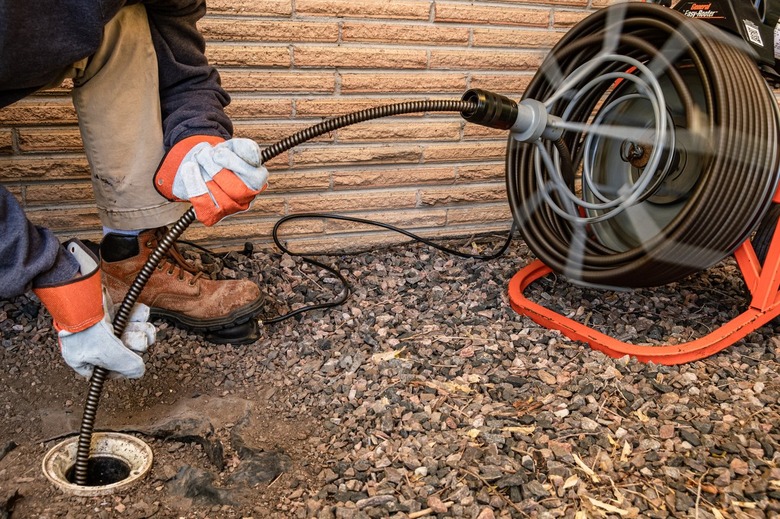
The standard cable snake is the right tool for most isolated drain clogs — hair in a shower drain, a localized obstruction in a kitchen P-trap, or a fresh blockage in a main line. Fast, effective for many situations, and doesn't require extensive setup.

Hydro-Jetting

High-pressure water scours the inside of the pipe — removing grease coating, scale, and debris from the pipe walls, not just boring a hole through the clog. Better for heavily built-up lines, grease accumulation, or recurring problems that cable snaking hasn't permanently solved.

Root Cutting

For tree root intrusion in main lines or sewer laterals, we use a root-cutting attachment on the cable machine to cut roots back to the pipe wall. Paired with camera inspection to confirm clearance.

Camera Inspection

A small camera on a flexible rod lets us see exactly what's causing the problem and confirm clearance after cleaning. We recommend camera inspection for recurring clogs or any situation where the cause isn't obvious.

Enzyme Treatments

For slow drains with organic buildup, periodic enzyme treatment can digest grease and organic material without damaging pipes. We'll recommend this as a maintenance option where appropriate.

Types of Drains We Service in Fort Collins

Kitchen Sink Drains

Grease and food debris buildup — the most common kitchen drain issue. We clear the P-trap, trap arm, and the line to the main stack.

Bathroom Sink & Tub Drains

Hair and soap combination, usually in the P-trap or trap arm. Often a quick fix unless the line has other buildup further down.

Shower Drains

Hair and soap buildup in the shower drain body and trap. Recurring shower clogs often have scale or a partially obstructed trap that needs proper clearing.

Toilet & Floor Drains

Toilet clogs from foreign objects or too much material at once. Floor drain backups in basements or utility rooms often indicate a deeper main line issue.

Main Drain Line

When multiple drains back up simultaneously, the blockage is in the main line — the single pipe that carries all waste to the sewer or septic tank. This requires main line equipment. If camera inspection reveals structural damage beyond what cleaning can fix, our sewer line repair team handles the excavation and replacement work.

Laundry & Utility Drains

Laundry drain lines often accumulate lint and detergent residue. Utility sink drains in garages and shops collect heavy debris. Both require proper sizing and cleaning approaches.

Our Drain Cleaning Process

1

Describe the Problem

Which drain, how long it's been slow, any odors, and whether other drains are affected — this tells us a lot about where the blockage likely is before we arrive.

2

On-Site Assessment

We assess the drain and determine the most likely cause and location. For recurring clogs, we recommend camera inspection to see exactly what's happening inside the pipe.

3

Choose the Right Method

Cable snake for fresh clogs. Hydro-jetting for buildup or recurring problems. Root cutter for tree root intrusion. We use the method that actually solves the problem.

4

Clear the Drain

We clear the blockage completely and run water to confirm flow is fully restored. For main line clogs, we confirm from multiple fixture points.

5

Prevention Advice

We tell you what caused it and what you can do to prevent recurrence — whether that's a drain screen, enzyme treatment, or a deeper structural fix.

Why Drain Cleaning Rentals and Chemical Cleaners Often Make Things Worse

We get called after a lot of DIY drain cleaning attempts — and honestly, many of them make the original problem harder to solve. Here's what typically happens:

Rented cable machines are designed for general use, not for the specific line configuration of your home. Without knowing where the blockage is, the right access point, and how to feel for a clog vs. a pipe bend, most homeowners just push the clog further down the line or compact it rather than clearing it. Now the blockage is in a harder-to-access location.

Chemical drain cleaners are corrosive. They can temporarily dissolve soft clogs but don't address grease coating, roots, scale, or structural issues. Repeated use damages older PVC, cast iron, and galvanized drain lines — we've seen pipes that have deteriorated significantly from years of chemical drain cleaner use. And they're hazardous to handle and neutralize once they're in a fully blocked drain.

The honest answer is: for a simple, isolated clog near the drain opening, trying a plunger or a hand-snake first is reasonable. For anything deeper, recurring, or involving multiple drains — call us. And if recurring drain problems turn out to be a septic system issue, we handle that too. It's typically less expensive to solve it properly the first time than to pay for a professional service after the DIY attempt has made the situation more complex.

You can also check out our DIY vs. Professional guide on the homepage for a clear breakdown of when it's safe to DIY plumbing and when a professional is the right call.

Drain Cleaning Service Area — Fort Collins & Northern Colorado

Old TownCity ParkRigden FarmFossil Lake RanchTimberline AreaCollindaleMaple HillStetson CreekEnglish RanchObservatory Village

Also Serving:

LovelandWellingtonLaporteWindsorGreeleyEstes ParkRed Feather LakesBerthoud

How Much Does Drain Cleaning Cost in Fort Collins?

Costs depend on the drain, the severity of the blockage, and the method required. A simple bathroom sink clearing is a much smaller job than main line hydro-jetting with camera inspection. We provide free written estimates — you'll know the price before we start any work.

What we can tell you: we don't automatically recommend the most expensive method. If a cable snake will solve the problem, that's what we use. We recommend hydro-jetting when the situation genuinely warrants it, not as a default upsell. Call (970) 672-3282.

Drain Cleaning FAQs — Fort Collins, CO

My drain was just cleared and it's slow again two weeks later — what's going on?

A clog that returns quickly after clearing usually means the underlying cause wasn't fully addressed — either a partial clearing that left material on the pipe walls, root intrusion that re-established quickly, or a structural issue causing material to accumulate. Camera inspection is the best way to determine what's really happening so we can solve it properly.

All my drains are slow at the same time — is that a bigger problem?

Yes. When multiple drains throughout the house are slow or backing up simultaneously, the blockage is almost always in the main drain line — the single pipe that collects waste from all fixtures. This is a main line cleaning job, not a fixture-by-fixture drain issue. We address these with main line equipment and camera inspection to confirm clearance.

How do I prevent grease buildup in my kitchen drain?

Never pour grease, oil, or fatty cooking liquids down the drain — even when flushed with hot water. Once the hot water cools in the pipe, the grease solidifies. Collect grease in a container and dispose of it in the trash. For sinks that have accumulated grease, periodic flushing with hot water and dish soap helps, but it doesn't substitute for proper cleaning once buildup has started.

Do I have roots in my drain line?

Root intrusion is very common in Fort Collins homes with older drain lines — especially cast iron and clay pipe systems in established neighborhoods where mature trees are present. Signs include: recurring main line backups, slow toilets despite no other fixture issues, gurgling sounds from drains, and drains that required cleaning once but now need it frequently. Camera inspection confirms root presence.

Slow or Blocked Drains in Fort Collins? We Fix the Actual Problem.

Right tool for the job, a written estimate before we start, and a drain that stays clear — not just temporarily cleared. Call us and we'll tell you exactly what's going on before we do anything.