Fort Collins, CO & Larimer County
Septic System Installation & Replacement in Fort Collins
New construction, failing system, or a drain field that's finally given out — we design, permit, and install septic systems built for Northern Colorado soil and Larimer County code. Written estimates, full permit handling, no subcontractors.
What This Service Covers
What Does Septic System Installation Actually Involve?
A lot goes into a proper septic installation — more than most people realize until they're in the middle of it. Here's the full picture of what we handle:
The process starts with a site evaluation. We assess your lot size, soil percolation rate, depth to groundwater, and required setbacks from wells, property lines, and structures. That evaluation determines what type of system is appropriate for your property — not every lot can support every system type, and the county has strict requirements that have to be met.
From there, we design the system and submit the permit application to Larimer County. This is one of the areas where working with an experienced contractor matters most. We know what the county reviewers look for, how to document the site evaluation, and how to avoid the back-and-forth that can add weeks to the timeline. We've done this in Fort Collins and across Larimer County many times — the permit process doesn't catch us off guard.
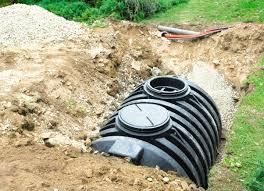
Once approved, we handle excavation, tank installation, distribution box placement, and drain field construction. We use materials and methods that meet current code, and we schedule the final county inspection. You don't need to coordinate with the inspector or understand the inspection checklist — we handle all of that. When the inspector signs off, the job is done.
One Contractor, Start to Finish
We don't hand off the permit to you and disappear. We handle site eval, design, permit application, installation, and final inspection — all in-house. You have one point of contact throughout the entire process.
When to Call
Signs You Need a New or Replacement Septic System
Not every septic problem requires a full replacement. But some situations do — and knowing the difference saves you from paying for a repair that just delays the inevitable. If you're not sure whether your system needs repair or full replacement, our septic system repair page explains how we work through that decision.
Persistent Sewage Odors
Ongoing smell near the tank or drain field, especially after rain, suggests system failure — not just a pumping issue.
Soggy Ground or Green Patches
Unusually lush, wet grass over the drain field means the system is surfacing effluent — a sign the drain field has failed.
Multiple Drain Backups
When more than one drain is slow or backing up simultaneously, the problem is typically downstream of the house — in the tank or drain field.
System Age (20–30+ Years)
Conventional septic systems typically have a lifespan of 20–30 years, depending on soil, usage, and maintenance. Aging systems often fail without warning.
New Construction or Addition
Building on undeveloped land or adding significant square footage to a home often requires a new or upgraded system to meet current code.
Failed Perc Test on Existing System
If the soil around your drain field can no longer absorb effluent at the required rate, replacement — often with a different system type — is the only lasting solution.
System Options
What Type of Septic System Is Right for Your Property?
The right system depends on your site conditions, not on preference. Here's a plain-English overview of the most common options we install in the Fort Collins area:
Conventional Gravity System
The most common type in Northern Colorado. Works by gravity flow from the house to the tank, then to a gravel-and-pipe drain field. Requires adequate soil percolation and sufficient lot size. Generally the lowest installation and maintenance cost where site conditions allow.
Mound System
Used when the water table is too high or the soil doesn't perc adequately for a conventional drain field. The drain field is elevated above grade in an engineered sand mound. More complex to install and requires a pump — but often the right choice for properties in wetter or clay-heavy soils.
Pressure Distribution System
Similar to a conventional system but uses a pump to distribute effluent more evenly across the drain field. Extends drain field life and is sometimes required by Larimer County for certain soil types or lot configurations.
Engineered Alternative Systems
For challenging sites — small lots, poor soils, proximity to water features — engineered alternatives like drip irrigation systems or aerobic treatment units may be required. These involve more ongoing maintenance but allow development where other systems can't go.
We'll tell you honestly which system your site requires and what the long-term maintenance implications are for each option — before you commit to anything.
How It Works
Our Septic System Installation Process in Fort Collins
Site Evaluation
We visit your property, assess soil conditions, lot layout, and setbacks — and give you a clear picture of what the job involves before anything is signed.
System Design
We design the system to match your site conditions and household size, meeting all current Larimer County code requirements.
Permit Application
We submit the full permit package to Larimer County on your behalf. We track it and respond to any reviewer questions.
Excavation & Install
Once permitted, we excavate, set the tank, install distribution components, and build the drain field to design spec.
County Inspection
We schedule and coordinate the required Larimer County final inspection. We're on-site for the inspection and address any punch list items.
Final Walkthrough
We walk you through the system, explain maintenance requirements, and make sure you know what's under your yard and how to care for it.
Why Star Plumbing
Why Choose Us for Septic Installation in Fort Collins?
We do septic work regularly in Fort Collins and across Larimer County. That means we know the county's permit process inside out — the documentation requirements, the typical reviewer notes, and how to get approvals without the back-and-forth delays that add weeks to a project.
We also understand Northern Colorado soil. The Front Range has a mix of sandy soils, clay-heavy soils, and everything in between — and the right system design depends on understanding what's actually in the ground on your specific lot. We don't guess. We evaluate.
Honestly, one of the things we hear most from customers after the job is that the process felt less stressful than they expected. That's intentional. We communicate at every stage, give you honest timelines, and we don't disappear once the permit is filed.
And if something comes up during installation — an unexpected soil condition, a buried utility we need to route around — we tell you before we make any decisions that affect the scope or cost. You stay in the loop throughout.
- ✓ Full permit handling — we do all the paperwork
- ✓ In-house installation — no subcontractors on critical work
- ✓ Written estimate before any work begins
- ✓ Honest system recommendations based on your site
- ✓ Final county inspection coordination included
- ✓ Maintenance walkthrough at job completion
Pricing
What Does Septic System Installation Cost in Fort Collins?
We know cost is a major concern. Here's what we can tell you honestly before we've seen your property:
Septic system installation costs in the Fort Collins area vary considerably based on system type, site accessibility, excavation requirements, soil conditions, and tank size. A straightforward conventional system on a rural lot with good soil access is going to cost meaningfully less than a mound system on a tight urban lot with poor percolation. We won't give you a single number here because it wouldn't be accurate for most properties.
What we will do is come to your property, evaluate the site, and give you a written estimate before you're committed to anything. That estimate covers all labor, materials, permitting fees, and inspection coordination. No line items that appear later.
In our experience, the projects that go over budget are usually ones where the homeowner got a low initial number from a contractor who hadn't actually evaluated the site, or where permitting complications weren't anticipated. We'd rather give you a real number upfront than a misleading one that grows.
Financing Note
Septic installation is a significant investment. If cost timing is a concern, ask us about payment options when you call. We can also help you understand what the county may require versus what's genuinely optional, so you're making informed decisions about scope.
Where We Work
Septic Installation Service Area
We install and replace septic systems throughout Fort Collins and the surrounding Northern Colorado region. Rural and semi-rural properties are our specialty — we make the trip where many contractors won't. Many rural properties in this area are also on private wells — if you need well pump service as well, we handle that and can often combine visits.
Fort Collins Neighborhoods:
Surrounding Cities & Rural Areas:
Questions & Answers
Frequently Asked Questions — Septic System Installation
Installation costs vary significantly based on system type, site conditions, and lot characteristics. We provide free on-site estimates — a written number you can count on before work begins. Call (970) 672-3282 to schedule a site visit.
Permit review timelines at Larimer County typically run 2–4 weeks, sometimes longer during busy periods. We submit complete, well-documented applications to minimize back-and-forth. We track your permit and follow up proactively so delays don't sit unaddressed.
It depends on your soil's perc rate, water table depth, lot size, and required setbacks. A site evaluation determines this — not preference or cost. We'll tell you what the site requires and explain the options where you have genuine choices.
Sometimes, yes. If your tank is structurally sound, the right size for your household, and meets current code, it may be reusable. We assess the tank during the site evaluation and give you an honest answer. Reusing a good tank can reduce overall project cost.
We walk you through this at job completion. The basics: pump the tank every 3–5 years (more frequently with heavy use or a garbage disposal), avoid flushing non-biodegradable items, and don't drive vehicles or plant trees over the drain field. We'll give you a written maintenance checklist.
Get Started
Ready to Talk About Your Septic System in Fort Collins?
Call us for a free site evaluation and written estimate. We'll assess your property, explain what the site requires, and give you a real number before you're committed to anything.